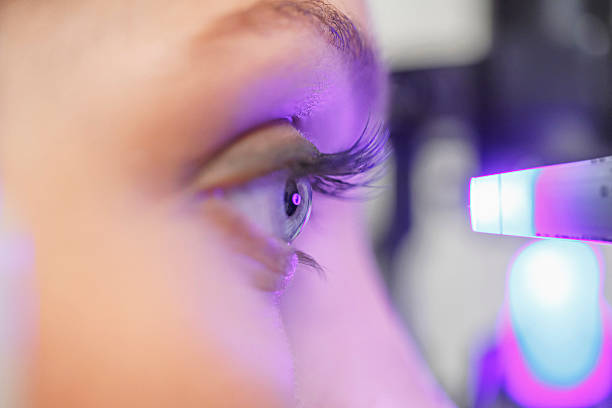
The human eye is an intricate sensory organ that plays a critical role in how we perceive the world. Its complexity, coupled with its indispensable function, makes it one of the most fascinating aspects of human anatomy. From detecting colors to adjusting focus, the eyes are a marvel of biological engineering.
Anatomy of the Eye
| Part of the Eye | Function |
| Cornea | The transparent outer layer that refracts light entering the eye. |
| Lens | Adjusts focus by changing shape to ensure light hits the retina properly. |
| Retina | Converts light into neural signals for interpretation by the brain. |
| Iris | Regulates how much light enters by adjusting pupil size. |
| Optic Nerve | Transmits visual information from the retina to the brain. |
This complex structure allows humans to detect light intensity, color variations, and motion all at once.
How Vision Works
Vision is a process that starts when light enters your eyes and ends with interpretation in your brain:
1. Light Entry: Light passes through the cornea and lens, which bend rays toward the retina.
2. Image Formation: The retina focuses these rays into an image and translates it into electrical signals.
3. Signal Transmission: Signals are sent via the optic nerve to different areas of your brain.
4. Interpretation: The brain processes these signals into recognizable objects, colors, and movements.
Each step happens almost instantaneously, highlighting how effortlessly our bodies handle complex tasks.
Types of Vision
Humans rely on several types of vision for daily activities:
– Central Vision: Used for tasks like reading or recognizing faces.
– Peripheral Vision: Detects motion or objects outside your direct line of sight.
– Color Vision: Differentiates wavelengths to interpret colors vividly.
– Depth Perception: Uses both eyes’ input (binocular vision) to gauge distances accurately.
Fascinating Facts About Eyes
The complexity of eyes extends beyond their anatomy and function.
Consider these intriguing aspects:
– Human eyes can distinguish approximately 10 million colors thanks to specialized cone cells in the retina.
– The average blink lasts about 100-150 milliseconds and helps keep your eyes lubricated.
– Blue-eyed individuals share a single common ancestor who lived around 6,000–10,000 years ago.
Advances in Understanding Vision
In recent years, research has unveiled groundbreaking insights into how our visual system works:
– Development in optical coherence tomography (OCT) offers detailed cross-sections of retinal layers for diagnosing conditions such as macular degeneration or glaucoma.
– Gene therapy is now being used experimentally to correct inherited retinal disorders.
– Artificial intelligence is improving early diagnosis capabilities for diabetic retinopathy and other eye-related diseases.
Exploring the intricacies behind vision underscores not only its biological importance but also humankind’s drive to understand one of its most prized senses better.
Top Qualities to Look for in an Optometrist Houston TX
Eye research plays a critical role in understanding vision, diagnosing eye-related diseases, and developing innovative treatments. The individuals behind this important work—eye researchers—possess unique skills and characteristics that enable them to excel in the field. Below, we explore the key qualities and traits that define an effective eye researcher.
Expert Analytical Skills of Houston Eye Care Specialists
The complexity of eye structures and their associated diseases requires researchers to have exceptional analytical abilities. These skills include:
– Problem-solving: Identifying challenges within vision science and devising novel solutions.
– Data interpretation: Analyzing experimental results with precision to draw meaningful conclusions.
– Attention to detail: Carefully observing subtle changes in data or laboratory findings.
Discover Expert Care at Houston Eye Clinic
Memorial Vision
14032 Memorial Dr Suite B, Houston, TX 77079
(281) 496 1635
https://memorialvision.com
A profound understanding of the anatomy, physiology, and pathology of the eye is essential for any eye researcher. This expertise allows them to:
– Conduct targeted experiments related to ocular health.
– Connect clinical symptoms with underlying biological mechanisms.
– Develop interventions tailored specifically for different visual disorders.
| Essential Knowledge Areas | Examples |
| Anatomy of the Eye | Cornea, retina, lens, optic nerve |
| Common Eye Disorders | Glaucoma, macular degeneration, cataracts |
| Emerging Research Technologies | Optical coherence tomography (OCT), gene therapies |
3. Adaptability and Lifelong Learning
Science is ever-evolving, particularly in fields like ophthalmology where new technologies frequently emerge. A good eye researcher:
– Stays up-to-date on scientific publications and developments in vision science.
– Adapts quickly to advancements such as AI-driven diagnostic tools or gene-editing techniques like CRISPR.
4. Effective Communication Skills
Translating complex findings into accessible insights is a hallmark of an outstanding researcher in any domain—but particularly in eye research where public awareness often lags behind scientific progress.
Strong communication skills allow researchers to:
– Present findings clearly at conferences or within academic journals.
– Collaborate effectively with interdisciplinary teams including physicians, engineers, and biologists.
– Educate patients or lay audiences about preventive measures or treatment options for ocular health.
5. Ethical Considerations
Ethics play a critical role in guiding how research is conducted, especially when human subjects are involved in clinical trials or animal models are used for experimentation:
– Adhering strictly ethical protocols set by institutional review boards(IRB).
Exploring How Research Advances Are Illuminating Eye Health
The field of eye health has witnessed transformative changes over the years, driven by innovations in technology, medicine, and research methodologies. As scientists continue to explore the complexities of vision and the human eye, groundbreaking discoveries are reshaping our understanding of ocular health and offering new avenues for treatment and prevention.
Key Areas of Eye Research Advancements

- Researchers are uncovering the genetic underpinnings of conditions such as macular degeneration, glaucoma, and retinitis pigmentosa.
- Gene therapy is emerging as a potential method to treat or slow the progression of inherited retinal diseases.
- AI-powered tools are being developed to detect early signs of diseases like diabetic retinopathy or cataracts through retinal imaging.
- These technologies provide faster diagnoses with precision comparable to that of trained specialists.
- Innovations such as 3D bioprinting aim to create bioengineered corneal tissue for transplantation.
- Minimally invasive techniques like Descemet’s Membrane Endothelial Keratoplasty (DMEK) improve patient recovery times while enhancing outcomes.
- Sustained-release ocular implants help deliver medications directly to targeted areas within the eye over extended periods.
- Nanotechnology-based carriers enhance drug absorption and reduce systemic side effects.
Technologies Shaping the Future
| Technology | Application Areas | Benefits |
| Optical Coherence Tomography (OCT) | High-resolution imaging for retina & optic nerve examination | Early detection of conditions like glaucoma |
| CRISPR-Cas9 | Gene editing to address inherited disorders | Potential cure for genetic vision impairments |
| Stem Cell Therapy | Regeneration of damaged retinal cells | Restoring vision lost due to injury or disease |
Challenges and Opportunities
- The cost and accessibility of cutting-edge treatments often make them out of reach for many patients globally.
- Ethical considerations surrounding gene editing and stem cell applications must be carefully navigated.
- Greater collaboration between researchers, clinicians, and policymakers is needed to ensure equitable access to novel therapies.
However, these challenges also present opportunities for innovation, international partnerships, and developing cost-effective interventions that bridge gaps in care delivery.
Why Advanced Research Matters
Better understanding eye health not only enhances quality-of-life outcomes but also reduces societal burdens associated with visual impairments. By focusing on prevention through early detection tools or rehabilitative measures like prosthetic devices for those with severe vision loss, we can create significant impact at individual and community levels.
As further strides are made in exploring complex factors influencing eye health—ranging from environmental impacts to genetic predispositions—ongoing investments into research will continue illuminating pathways toward healthier eyes across populations worldwide.
Turning Complex Eye Research into Clearer Insights for Better Understanding
Simplification Without Oversimplification
To make eye research easier to understand without losing its essence:
– Focus on Core Findings: Summarize key takeaways rather than diving deep into technicalities.
– Use Analogies: Relate complex concepts to everyday experiences or familiar scenarios.
– Visual Aids: Diagrams, infographics, and flowcharts can help communicate findings effectively.
| Research Term | Plain Explanation |
| Retinal Degeneration | Gradual loss of cells in the retina. |
| Optogenetics | Using light to control cells in the eye. |
Bridging the Gap Between Scientists and Non-Experts
Effective communication requires bridging the knowledge gap between researchers and general audiences:
1. Engage with Educators: Partnering with educators can translate findings into age-specific lessons for students.
2. Leverage Digital Media: Blogs, social media platforms, and videos are powerful tools for outreach.
3. Collaborate with Healthcare Providers: Eye doctors can disseminate research insights during patient consultations.
Overcoming Barriers in Communication
Several barriers exist when it comes to simplifying complex eye research:
– Technical Jargon: Replace scientific terms with layman-friendly language.
– Misinterpretation Risks: Ensure information remains accurate while being simplified.
– Information Overload: Avoid overwhelming readers; break down data into smaller sections or points.
To address these challenges:
– Develop concise summaries such as “Key Findings” sections within reports.
– Use FAQs to answer common questions arising from research updates.
Real-Life Impacts of Simplified Eye Research
When complex ideas are distilled into clear insights:
– Patients experience greater confidence in managing their conditions through better understanding.
– Policymakers have an improved ability to make informed decisions about funding programs related to eye health.
– Researchers receive broader public support due to enhanced awareness of their contributions.
By focusing on clarity and accessibility, we ensure that groundbreaking discoveries in eye science lead to tangible improvements in both individual lives and broader healthcare outcomes.
Staying Informed on the Latest Discoveries in Eye Science
Importance of Keeping Up-to-Date
- Advances in Disease Management: New research constantly adds to our understanding of diseases like glaucoma, macular degeneration, cataracts, and diabetic retinopathy. Staying informed ensures access to the latest treatment options.
- Emerging Technologies: Innovations such as gene therapies, artificial intelligence-based diagnostics, and advanced surgical techniques are transforming patient care. Being aware of these developments can significantly improve clinical outcomes.
- Preventive Care Knowledge: Research often reveals lifestyle changes or interventions that can prevent or delay vision problems. Knowing these findings helps individuals take proactive measures for their eye health.
Ways to Stay Updated
- Scientific Journals and Publications
Leading journals like Investigative Ophthalmology & Visual Science (IOVS) or Ophthalmology frequently publish peer-reviewed research articles. Subscribing to or regularly accessing such journals provides early insights into groundbreaking discoveries. - Professional Networks and Conferences
Attending conferences such as those hosted by the American Academy of Ophthalmology (AAO) or the Association for Research in Vision and Ophthalmology (ARVO) allows professionals to learn directly from researchers presenting their work. - Websites like PubMed provide access to recent publications.
- Organizations like the National Eye Institute (NEI) share updates on federally-funded research initiatives.
- Blogs by reputable ophthalmologists may offer simplified explanations of complex new findings.
- Continuing Education Programs
Many institutions offer CME (Continuing Medical Education) courses tailored for optometrists, ophthalmologists, and researchers that highlight advancements in diagnostics and therapies.
Current Breakthroughs Worth Noting
| Discovery/Innovation | Potential Impact |
| Gene Therapy | Promising treatments for genetic conditions like Leber congenital amaurosis |
| AI-Powered Diagnostics | Faster detection of conditions such as diabetic retinopathy |
| Retinal Implants | Vision restoration for individuals with degenerative diseases |
| Myopia Control Techniques | Slowing myopia progression through specialized lenses or drops |
Practical Benefits
- Healthcare providers can integrate new tools and strategies into their practice.
- Patients gain awareness about innovative treatments they could discuss with their doctors.
- Researchers can identify gaps that still need exploration within their own work.
By dedicating time each month to review credible resources or engage with professional communities, staying current becomes a manageable yet impactful habit for anyone invested in eye science advancements.
- Discover Expert Eye Care with an Eye Doctor in Houston TX
- Building a Strong Digital Reputation as an Eye Doctor in Houston TX
- Essential Tips from an Optometrist Houston TX for First-Time Contact Lens Wearers
- 7 Important Tips for First-Time Contact Lens Wearers from an Eye Doctor in Houston TX
- Essential Advice from Houston Eye Care Specialists for Healthy Vision and Contact Lens Tips
- Essential Tips Every First-Time Contact Lens Wearer Should Know from an Optometrist Houston TX
- 7 Keys to Effective Eye Care Marketing Strategies for Optometrist Houston TX in 2025 and Beyond
- Discover Expert Vision Care with an Optometrist in Houston TX for Lifelong Eye Health