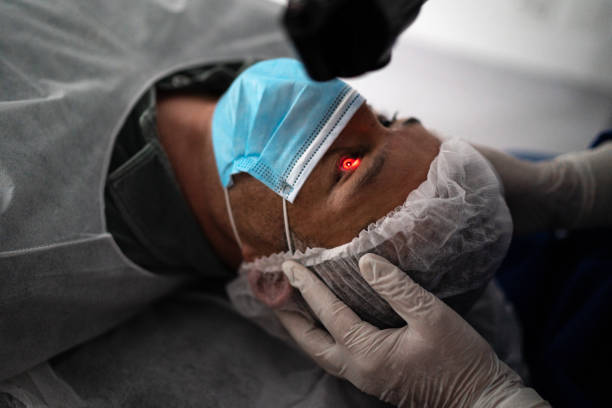
For those new to contact lenses, the transition can feel daunting. However, with the right guidance, wearing contacts can be a seamless and comfortable experience. Below are some tips tailored for first-time wearers to ensure they get started on the right foot.
Prepare Yourself Before Wearing Contacts
- Understand how to handle lenses: Before putting on or removing lenses for the first time, spend time learning about proper handling techniques. This includes watching tutorials provided by your eye care professional or consulting instructional guides that came with your lenses.
- Wash and dry your hands thoroughly: Hygiene is paramount when handling contact lenses.
- Keep nails short and clean: Long nails can accidentally tear soft contact lenses or scratch your eyes. For first-time wearers, maintaining trimmed nails is strongly recommended.
- If it is inverted, gently flip it back to its correct shape.
Key Habits for First-Time Wearers
- Stick to wearing schedules: Overwearing contacts can lead to discomfort or even serious eye conditions like corneal ulcers. Follow recommendations from your optometrist regarding how many hours per day you should wear them, especially during the adjustment period.
- Avoid sleeping in contacts unless prescribed: Sleeping in non-approved contacts reduces oxygen flow to the eyes, increasing risks of infections.
- Carry backup glasses: As you adjust to wearing contacts, there may be times when removing them is necessary due to dryness or discomfort. Having glasses on hand ensures uninterrupted vision.
Overcoming Common Challenges
Many first-time users experience some initial challenges while adapting to contact lens use:
| Challenge | Solution | |———————————–|————————————————————————-| | Dryness throughout the day | Use doctor-recommended rewetting drops or artificial tears specifically made for contact lenses. | | Difficulty inserting/removing | Practice regularly in a calm environment without rushing; confidence improves over time. | | Feeling of discomfort | Ensure lenses are clean and not damaged; consult an optometrist if issues persist.
Troubleshooting Tips
- If vision appears blurry after inserting a lens, check if it’s positioned correctly on your cornea.
- Always inspect each lens for tears or debris before use.
- Should redness or irritation occur after wearing contacts, remove them immediately and consult an eye care professional.
By following these foundational tips as a first-time wearer of contact lenses, you’ll minimize potential issues while maximizing comfort and confidence in this new journey toward clearer vision.
Exploring the Benefits of Contact Lenses with an Eye Doctor in Houston TX
Contact lenses have become a popular alternative to glasses for individuals seeking clearer vision and enhanced comfort. They offer distinct advantages, making them an excellent choice for many people. Below, we explore the benefits of using contact lenses, focusing on their impact on vision and overall comfort.
Improved Vision Clarity
Contact lenses rest directly on your eye, providing a wider field of view compared to glasses.
- No Peripheral Obstructions: Unlike glasses frames, contact lenses provide an unobstructed view across all directions.
- Consistent Focus: Contact lenses move naturally with your eyes, maintaining focus regardless of where you look.
- Better Correction for Certain Conditions: For individuals with irregular corneas or astigmatism, specialized contact lenses like toric or gas-permeable lenses can often provide better correction than glasses.
Enhanced Comfort in Daily Life
- Lightweight and Invisible: Modern contact lenses are made from thin, breathable materials that are lightweight and nearly unnoticeable when worn correctly.
- Reduced Fogging Issues: Unlike glasses, contact lenses don’t fog up due to temperature changes or mask-wearing.
- Freedom During Activities: Contacts are ideal for physical activities such as running or playing sports because they don’t shift or fall off like glasses.
Cosmetic Versatility
- Natural Look: Contacts allow your facial features to remain prominent without being obscured by frames.
- Colored Lenses Options: Colored contacts can enhance or alter the natural color of your eyes, offering a unique aesthetic appeal.
Flexibility with Vision Requirements
| Type of Contact Lens | Suitable For |
| Daily Disposable Lenses | Convenience and hygiene |
| Monthly/Extended Wear Lenses | Long-term use with proper care |
| Toric Lenses | Correcting astigmatism |
| Multifocal/Bifocal Lenses | Addressing both near and far vision |
Considerations Before Wearing Contact Lenses
While there are numerous advantages to wearing contact lenses, it’s essential to consider factors such as proper hygiene practices and regular consultations with an eye care professional. Misuse can lead to discomfort or even eye infections.
- Wider field of vision without frame obstructions.
- Increased comfort during activities compared to glasses.
- Aesthetic versatility through natural looks and colored options.
- Tailored solutions for specific eye conditions.
Understanding these benefits can help you decide if contact lenses align with your lifestyle and vision needs while ensuring optimal results through proper use.
Tips from Houston Eye Care Specialists for Wearing Contact Lenses Safely and Effectively
Adopting safe practices can significantly reduce the risk of infections or complications.
Before handling your contact lenses, always wash your hands with soap and water.
- Use a mild, fragrance-free soap.
Your optometrist will provide specific guidelines for wearing, cleaning, and replacing your lenses based on your needs. Adhering to these instructions is key to maintaining optimal eye health.
- Schedule regular follow-up appointments to ensure proper fit and eye health.
Unless prescribed specifically for overnight use, sleeping in contact lenses can increase the risk of eye infections like keratitis or corneal ulcers.
Key reasons to avoid sleeping in contacts:
– Limited oxygen flow to the cornea during sleep.
– Increased buildup of bacteria or debris under the lens.
Routine cleaning prevents protein deposits, microorganisms, and debris from accumulating on the surface of the lens. Use only approved solutions provided by your optometrist.
Steps for effective cleaning:
1. Rinse lenses with fresh multipurpose solution (do not reuse old solution).
2. Gently rub each lens with clean fingers for about 10 seconds per side.
Note: Never use tap water or saliva as substitutes for cleaning solutions—they can introduce harmful microorganisms.
Tips for maintaining a clean lens case:
Water—whether from swimming pools, showers, or even tap water—can introduce harmful pathogens like Acanthamoeba, which may lead to severe infections.
Precautions:
– Avoid rinsing or storing lenses in any type of water.
Mistakes First-Time Wearers Should Avoid at Houston Eye Clinic

| Mistake | Why It’s Harmful |
| Overwearing daily disposable lenses | Can lead to dryness and irritation since disposables are not designed for extended use |
| Using expired solutions | Reduces effectiveness against bacteria |
| Ignoring symptoms like redness | May indicate an underlying issue such as infection or allergic reaction |
Being mindful of these mistakes promotes better eye health and comfortable vision correction over time.
By following these essential tips consistently, you can enjoy all the benefits that come with wearing contact lenses while reducing risks associated with improper care practices.
Properly changing your contact lenses is crucial to maintaining eye health, preventing infections, and ensuring a comfortable wearing experience. Whether you’re a seasoned user or a first-time wearer, following the correct steps can make the process seamless and safe. Below are detailed step-by-step tips for changing your contact lenses effectively.
Prepare Your Hands and Workspace
- Use soap and warm water.
- Avoid soaps with heavy fragrances or moisturizers as they may leave residue on your hands.
- Work on a clean, well-lit surface.
- Place a clean tissue or towel on the workspace in case you accidentally drop the lens.
Removing Old Contact Lenses
- Begin with the same eye every time to avoid mixing up lenses (e. g. , always start with your right eye).
- With your other hand, use your fingertip to slide the contact lens downward onto the white part of your eye.
- Using your thumb and index finger, pinch the lens gently to remove it.
- Be cautious not to squeeze too hard as it may damage soft lenses.
- Inspect the Lens (If Reusable):
- Check for any debris, tears, or damage before storing it in its case.
Cleaning (For Reusable Lenses)
- Avoid using tap water as it may carry harmful microorganisms.
- Gently rub each side of the lens with clean fingertips for about 10-15 seconds while applying solution.
- Store in fresh solution if not immediately replacing them onto your eyes.
Inserting New Contact Lenses
- Place the lens on the tip of your finger.
- Ensure it forms a perfect bowl shape without edges flaring outward. If it looks like a shallow plate, turn it inside out before inserting.
- Close and open your eyes slowly to help settle the lens comfortably into place.
Double-Check Placement
After inserting both lenses: – Look in different directions (up, down, left, right) to ensure proper alignment on each eye’s center. – Assess comfort—if you feel irritation or blurriness, remove and inspect for debris before reinserting.
Quick Reference Table: Do’s & Don’ts
| Task | Do’s | Don’ts |
| Hand Hygiene | Wash thoroughly before touching lenses | Skip washing or dry hands improperly |
| Cleaning Solution | Use prescribed solutions only | Use tap water |
| Handling | Handle one lens at a time | Mix up left & right lenses |
| Storage | Store in fresh solution | Reuse old solution |
| Lens Condition Check | Inspect for damage | Wear torn/damaged lenses |
By following these structured steps diligently each time you change contact lenses, you’ll promote long-term eye health while reducing potential risks like infections and discomfort. Regular communication with an optometrist can also help refine best practices tailored specifically to you.
Practical Advice for Storing Your Contact Lenses to Maintain Quality
Proper storage of contact lenses is essential not only for maintaining their quality but also for ensuring the health of your eyes. Improper storage can lead to discomfort, infections, or even damage to your lenses. Below is a detailed guide on how to store your contact lenses effectively.
The Importance of Proper Lens Storage
Contact lenses are delicate medical devices that require a clean and sterile environment.
– Protein buildup and contamination.
– Increased risk of eye infections such as keratitis.
– Premature lens wear and tear, reducing their lifespan.
To avoid these risks, follow the best practices outlined below.
Use an Approved Contact Lens Solution
Avoid using alternatives such as water or saliva to store your lenses. These substances are not sterile and may carry bacteria or harmful microorganisms that could lead to infection.
Key points when selecting a lens solution:
– Check the expiration date before use.
– Avoid DIY solutions; stick with doctor-approved brands.
– Do not reuse old solution—always replace it with fresh fluid after each wear.
Clean and Replace Your Storage Case Regularly
The contact lens case plays a vital role in keeping your lenses safe from contaminants. However, it can also become a breeding ground for bacteria if neglected.
- Steps for maintaining your lens case:
1. Empty the case after every use; never top off old solution.
2.Let it air-dry face down on a clean tissue or towel in a dust-free area.
3. Replace the case every 1–3 months, as recommended by professionals.
| Activity | Frequency |
| Rinse with fresh solution | After each use |
| Air-dry upside down | Daily |
| Replace case | Every 1–3 months |
Store Lenses in the Correct Environment
Contact lenses should be stored at room temperature and away from direct sunlight or high humidity areas like bathrooms.
Tips for optimal storage conditions:
– Keep them in a cool, dry place to prevent changes in the solution’s effectiveness.
– Do not leave cases near windows or heat sources.
– If traveling, ensure proper packing to avoid exposure to extreme temperatures.
Avoid Common Mistakes When Storing Lenses
To maintain both hygiene and quality:
– Do not transfer lenses into unsterile containers—only use designated lens cases provided by trusted brands. Avoid touching the inside of the case with dirty hands, which can lead to contamination. Do not mix different types of solutions, as this may affect their sterilizing properties.
By adhering strictly to these practical storage tips, you can extend the lifespan of your contact lenses while safeguarding your eye health from preventable complications such as infections or irritation. Proper care ensures both comfort and clarity every time you wear them.
- Discover Expert Eye Care with an Eye Doctor in Houston TX
- Building a Strong Digital Reputation as an Eye Doctor in Houston TX
- Essential Tips from an Optometrist Houston TX for First-Time Contact Lens Wearers
- 7 Important Tips for First-Time Contact Lens Wearers from an Eye Doctor in Houston TX
- Essential Advice from Houston Eye Care Specialists for Healthy Vision and Contact Lens Tips
- Essential Tips Every First-Time Contact Lens Wearer Should Know from an Optometrist Houston TX
- 7 Keys to Effective Eye Care Marketing Strategies for Optometrist Houston TX in 2025 and Beyond
- Discover Expert Vision Care with an Optometrist in Houston TX for Lifelong Eye Health